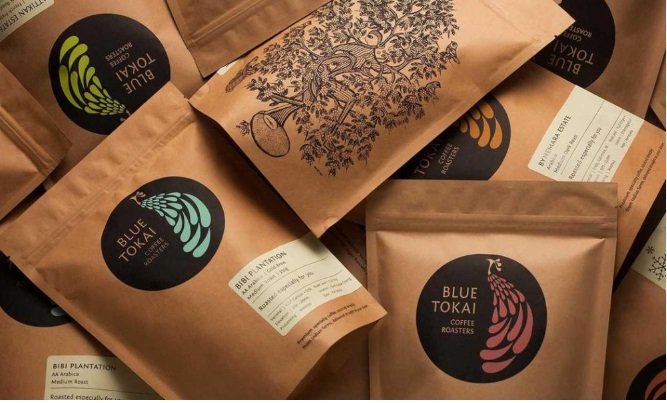

Specialty coffee has grown into a highly competitive industry where quality, consistency, and customer experience play major roles in business success. Consumers are becoming more selective about the coffee they purchase, paying attention to factors such as bean origin, roast profile, brewing methods, and packaging quality. While exceptional coffee remains the foundation of every successful brand, packaging often shapes the customer’s first impression.
This is why custom coffee bags have become an important part of specialty coffee branding. Beyond protecting the product, they help businesses communicate their identity, showcase their values, and create a stronger connection with customers. For specialty coffee companies seeking long-term growth, packaging is much more than a container.
The Rise of Specialty Coffee and Consumer Expectations
Coffee drinkers today expect more information than ever before. They want to know where the beans come from, how they were sourced, and what flavor notes they can expect from each roast.
As a result, specialty coffee brands must provide clear and engaging information throughout the customer journey. Packaging serves as one of the most effective ways to share these details.
Modern coffee packaging allows businesses to communicate important information without overwhelming the customer. Roast levels, tasting notes, brewing recommendations, and sourcing details can all be presented in a way that is informative and visually appealing.
Customers who understand the product are often more confident in their purchasing decisions.
Packaging Creates a Professional Brand Image
Many specialty coffee businesses start as small operations with limited marketing budgets. In these cases, packaging becomes one of the most visible brand assets.
Professional printed coffee bags can help smaller companies compete with established brands by presenting a polished and consistent image. Customers often associate well-designed packaging with quality products and reliable service.
A coffee bag is frequently the first physical interaction a customer has with a brand. The design, material, and presentation all contribute to the overall perception of the product.
Strong packaging helps businesses make a positive impression from the very beginning.
Visual Identity Builds Recognition
Brand recognition develops through consistency. When customers repeatedly see the same colors, logos, and design elements, they begin to associate those visuals with a specific company.
An effective coffee bag design creates a recognizable identity that helps products stand out in crowded retail environments. Whether displayed on a store shelf or featured in an online marketplace, consistent branding improves visibility.
Over time, customers become familiar with the packaging and can identify the brand more quickly. This familiarity often contributes to repeat purchases and customer loyalty.
For specialty coffee companies, recognition is especially important because many consumers enjoy trying different roasters and blends.
Freshness Directly Impacts Customer Satisfaction
Specialty coffee customers expect freshness. Even the highest-quality beans can lose flavor and aroma if packaging fails to provide adequate protection.
Coffee is sensitive to oxygen, moisture, heat, and light. Exposure to these elements can negatively affect quality and reduce shelf life.
This is why many specialty coffee companies use packaging features such as degassing valves, resealable closures, and high-barrier materials. These features help maintain freshness from the roastery to the customer’s cup.
Investing in quality packaging demonstrates a commitment to product excellence.
Packaging Supports Product Storytelling
Every specialty coffee has a story. It may involve a unique growing region, a family-owned farm, a particular processing method, or a carefully developed roast profile.
Customers increasingly value transparency and authenticity. Packaging provides a practical way to communicate these details.
Thoughtfully designed branded coffee packaging can highlight sourcing information, sustainability efforts, and production methods. These details help customers feel more connected to the product and the people behind it.
Storytelling also helps brands differentiate themselves from competitors offering similar products.
Consumers Value Transparency
Trust plays a major role in specialty coffee purchasing decisions. Customers want confidence that the information they receive is accurate and meaningful.
Packaging can strengthen trust by clearly presenting details about bean origin, certifications, roasting dates, and brewing guidance.
When brands communicate openly, customers often view them as more reliable and credible. This transparency can contribute to stronger long-term relationships.
Providing useful information also improves the overall customer experience and helps buyers make informed decisions.
Packaging Influences Perceived Value
Specialty coffee often sells at higher price points than conventional coffee products. Customers expect the packaging to reflect that value.
High-quality materials, professional printing, and attention to detail can help communicate a premium image. Packaging influences perception before the customer even opens the bag.
Consumers frequently associate attractive packaging with superior quality. While taste ultimately determines satisfaction, packaging can influence the initial purchase decision.
Many successful coffee brands use premium packaging to reinforce their positioning within the market.
Sustainability Matters to Modern Coffee Buyers
Environmental responsibility continues to shape consumer preferences. Many specialty coffee drinkers actively support brands that demonstrate sustainable practices.
As a result, businesses are increasingly interested in environmentally conscious coffee packaging solutions. Recyclable materials, reduced packaging waste, and responsible sourcing have become important considerations.
Companies that communicate sustainability efforts on their packaging often strengthen their reputation among environmentally aware consumers.
Packaging suppliers such as Contipack Inc have observed growing demand for solutions that balance product protection with environmental responsibility.
Sustainable Packaging Can Strengthen Brand Loyalty
Customers often prefer to support businesses that align with their personal values. Sustainable packaging can contribute to stronger emotional connections between brands and consumers.
When customers see evidence of responsible business practices, they may be more likely to remain loyal and recommend products to others.
Although sustainability alone does not determine purchasing behavior, it can influence decision-making when customers are comparing similar products.
For specialty coffee brands, environmentally conscious packaging can support broader business goals while meeting customer expectations.
Packaging Plays a Role in Marketing
Every package acts as a marketing tool. Unlike advertisements that may only be seen briefly, packaging remains visible throughout the customer’s experience with the product.
Coffee bags appear in kitchens, offices, social media posts, and customer reviews. Attractive packaging can increase brand exposure beyond the original purchase.
Well-designed premium coffee bags often encourage customers to share photos online, creating additional visibility for the brand.
Packaging also reinforces brand messaging by consistently communicating company values, product quality, and unique selling points.
Standing Out in a Competitive Market
The specialty coffee market continues to grow, bringing new competitors into the industry. Businesses must find ways to differentiate themselves while maintaining product quality.
Packaging can help create that distinction. Unique visual elements, informative content, and functional design features all contribute to a stronger market presence.
While coffee quality remains essential, packaging often determines whether customers choose to learn more about a product in the first place.
Companies that invest in thoughtful packaging are better positioned to attract attention and create memorable customer experiences.
Conclusion
Specialty coffee businesses face increasing competition and rising customer expectations. To succeed, brands must do more than offer exceptional coffee. They must also create meaningful experiences that communicate quality, authenticity, and trust.
This is where custom coffee bags provide significant value. They support freshness, strengthen branding, improve customer perception, and help businesses compellingly share their story.
As the specialty coffee industry continues to evolve, packaging will remain an important factor in how customers evaluate products and connect with the brands behind them. Businesses that treat packaging as part of their overall strategy are more likely to build recognition, trust, and long-term customer loyalty.