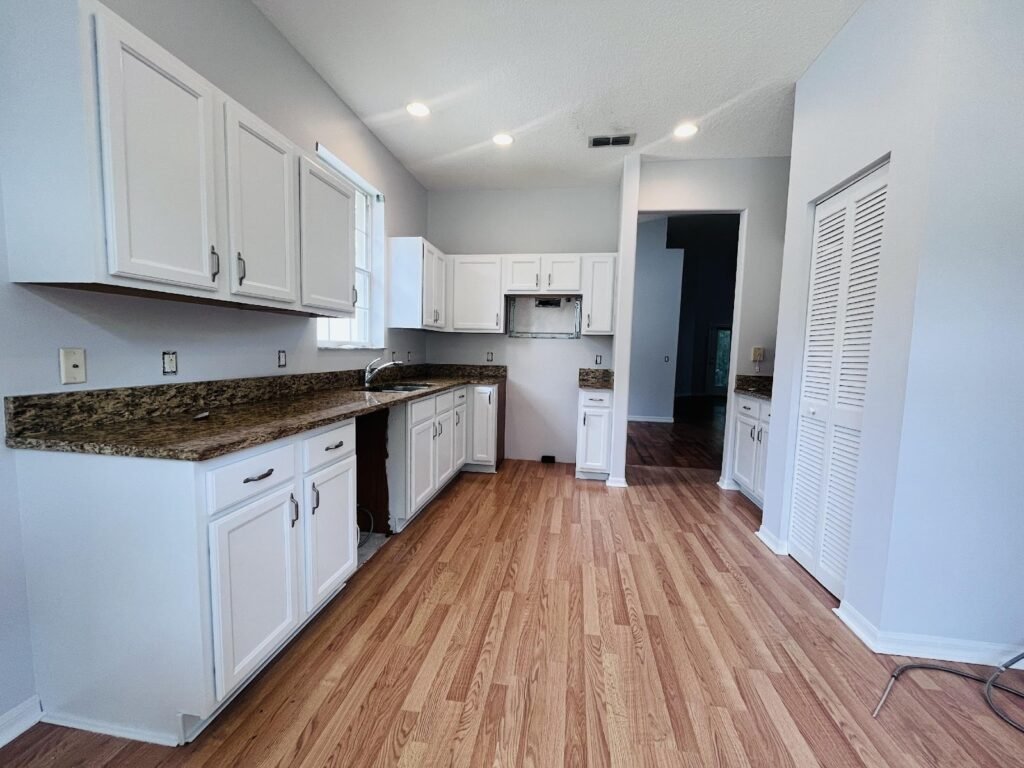

Refreshing the interior of a mid-sized home can feel like a major undertaking, but the process becomes much more manageable when you know what to expect from the start. From planning color palettes to updating finishes and improving flow between rooms, a full interior refresh is about creating a home that feels more functional, polished, and comfortable for everyday living. For many homeowners, this type of project is not about chasing trends, but about making existing spaces feel newer, more practical, and better aligned with the way the household actually lives.
One of the first questions homeowners ask is how long the project will take, especially when painting is part of the plan. Understanding factors like room count, wall condition, prep work, and drying time can help set realistic expectations, and resources such as how long does it take to paint a 1,500 sq ft house interior offer helpful insight into what influences the timeline. Having a realistic sense of the schedule from the beginning makes it easier to coordinate furniture moving, temporary room closures, and the order in which updates should happen.
Start With a Clear Vision
Before any work begins, it is important to define the scope of your refresh. Some homeowners focus on cosmetic improvements such as repainting walls, replacing lighting fixtures, and updating décor. Others may include flooring changes, built-in storage, trim upgrades, or a partial layout redesign. A clear vision helps you prioritize your budget and prevents the project from feeling scattered.
Creating a mood board is a practical first step. It allows you to compare colors, textures, materials, and furniture styles before making final decisions. This is especially useful in a mid-sized home, where consistency from room to room can make the entire space feel more intentional. Even if each room has its own personality, there should still be a visual connection that makes the home feel cohesive rather than pieced together over time.
It also helps to think about the purpose of the refresh. Some people want to improve resale appeal, while others are more focused on comfort, storage, or updating a dated look. Knowing your real goal makes decision-making easier because every material, paint color, and fixture can be judged against that objective.
Expect Prep Work to Take Time
A successful interior refresh is not just about the final styling touches. A large portion of the work happens before the visible transformation begins. Furniture may need to be moved, surfaces cleaned, nail holes patched, trim repaired, and old finishes removed or covered. If your home has older walls, minor imperfections often become more obvious once you start preparing them for fresh paint or updated finishes.
This stage can feel slow, but it is essential for a better result. Rushing through preparation often leads to uneven surfaces, peeling paint, or details that look unfinished. Whether you are hiring professionals or managing part of the work yourself, allowing enough time for prep will pay off in the overall appearance. It can also reduce the chances of having to revisit problem areas later, which often becomes more disruptive and more expensive than doing the prep correctly the first time.
Homeowners are sometimes surprised by how much time small details require. Baseboards need cleaning, switch plates may need to come off, caulking may need to be refreshed, and wall repairs often need drying time before the next step can begin. These tasks may not be visually exciting, but they play a major role in whether the final result looks clean and professionally finished.
Room-by-Room Planning Makes the Process Easier
Refreshing a mid-sized home usually works best when tackled in phases. A room-by-room plan helps maintain order and reduces disruption, especially if you are living in the house during the project. Bedrooms, hallways, and living areas may be updated first, while more complex spaces like kitchens or bathrooms can follow on a separate timeline.
Breaking the refresh into stages also helps with budgeting. You can decide where to invest more, such as in statement lighting or durable flooring, while keeping other updates simple and cost-effective. This approach creates steady progress without overwhelming your schedule or finances. It also allows you to evaluate how the first changes are working before committing to the rest of the house.
Another benefit of phased planning is flexibility. If a certain material is delayed, or if one room reveals hidden repairs, the rest of the home does not necessarily need to come to a stop. A practical sequence can help keep momentum going while minimizing the stress that often comes with larger interior projects.
Paint Will Influence the Whole Feel of the Home
Few updates transform a home as quickly as paint. A fresh coat on the walls, ceilings, and trim can brighten dark areas, make smaller rooms feel larger, and tie together spaces that previously felt disconnected. Neutral tones remain popular because they are versatile and timeless, but accent walls or muted color variations can add warmth and personality without overpowering the home.
In a mid-sized house, paint choices should support a cohesive flow. Using related shades throughout common areas creates visual continuity, while subtle changes in tone can still give each room its own identity. Testing samples in natural and artificial light is always worth the effort before committing to a full palette. The same shade can appear warmer, cooler, lighter, or darker depending on the direction of the light and the finishes surrounding it.
Paint sheen matters as much as color. Matte finishes can soften imperfections, while eggshell or satin finishes may be easier to clean in higher-traffic spaces. Trim and doors often benefit from a slightly more durable finish, especially in households with children or pets. Choosing the right combination helps balance appearance, practicality, and long-term maintenance.
Flooring and Surface Updates Can Shift the Entire Look
While paint gets much of the attention, flooring is another element that can dramatically change the atmosphere of a home. Replacing worn carpet, refinishing hardwood, or installing updated flooring in common areas can make the interior feel cleaner, brighter, and more current. In a mid-sized home, flooring continuity can also improve the sense of flow from one space to another.
If replacing all flooring at once is not realistic, prioritize the areas that see the most use or have the greatest visual impact. Entryways, living rooms, and hallways often make the strongest impression. Even partial flooring updates can feel intentional when colors and materials are selected carefully.
Other surfaces deserve attention too. Countertops, backsplashes, fireplace surrounds, and stair railings all contribute to the overall impression of the home. Updating just one or two of these features can create a stronger sense of freshness without requiring a complete renovation.
Fixtures and Finishes Matter More Than You Think
Once the larger surfaces are updated, smaller details begin to stand out. Cabinet hardware, door handles, faucets, mirrors, and light fixtures can all have a surprising impact on the final look. Replacing outdated finishes with more modern or coordinated options can make the home feel refreshed without requiring a full renovation.
For homeowners working within a moderate budget, these details often offer one of the best returns in terms of appearance. Swapping builder-grade elements for more intentional choices can elevate the style of the home and create a more customized feel. Even relatively small changes can help older interiors feel more current and visually consistent.
It is also worth paying attention to finish balance. Too many different metals or conflicting design styles can make a refresh feel less cohesive. Repeating a few compatible finishes throughout the home creates rhythm and helps separate updates feel connected as part of one larger plan.
Lighting Can Completely Change the Atmosphere
Lighting is one of the most overlooked parts of an interior refresh, yet it has an enormous effect on how the home feels. A room with outdated or insufficient lighting can seem smaller, darker, and less welcoming, even if the paint and furnishings have already been updated. Replacing old fixtures, adding layered lighting, or switching to warmer, more flattering bulbs can instantly improve comfort and visual appeal.
A strong lighting plan usually combines overhead fixtures, task lighting, and accent lighting. In living areas, this might mean pairing a central fixture with lamps and wall sconces. In kitchens and workspaces, better task lighting improves both function and style. Hallways, bathrooms, and entry areas also benefit from careful attention because these spaces often influence the first impression of the entire home.
Be Ready for Minor Surprises
Even well-planned interior projects can reveal small issues along the way. Hidden wall damage, uneven surfaces, outdated electrical fixtures, or trim that needs replacement are all common discoveries during a refresh. In most cases, these are manageable, but they can affect the schedule and budget.
Setting aside a contingency fund and extra time is a smart move. A flexible mindset also helps. Instead of viewing every surprise as a setback, it is often better to see it as an opportunity to improve the long-term quality of the finished space. Addressing these issues during the refresh can prevent more serious problems from being ignored until they become harder and more costly to fix.
Unexpected findings are especially common in homes that have had multiple rounds of previous updates. Layers of paint, patched drywall, mismatched trim, or inconsistent workmanship can all become more obvious once work begins. While this may feel frustrating in the moment, correcting these details often improves the final outcome far more than cosmetic changes alone.
Function Should Guide Design Choices
A beautiful home still needs to work well for daily life. As you refresh the interior, think about how each room is actually used. Storage solutions, furniture placement, lighting levels, and durable materials all matter just as much as color and style. The best refreshes combine visual appeal with practical improvements that support your routines.
For example, a family room may benefit from layered lighting and washable finishes, while a home office may need better organization and reduced visual clutter. Designing around real needs ensures the results stay useful long after the project is complete. A refresh that looks impressive but does not support everyday living will often lose its appeal very quickly.
This is also a good time to rethink awkward layouts or underused corners. A small reading nook, a better drop zone near the entry, or improved storage in a hallway can make the home feel more efficient without major construction. Functional upgrades are often the changes homeowners appreciate most once the project is finished.