
Imagine handing your credit card to a cashier, only to realize the person behind the counter is wearing a ski mask. You would probably cancel the transaction and leave immediately. This is exactly how your visitors feel when they land on an unsecured web page.
If a browser flags your page as “Not Secure,” visitors will leave before reading a single word. Building trust starts with securing the connection between your server and your audience. We will explore what an SSL certificate for website security actually does, why it is non-negotiable for modern businesses, and how to choose the right one.
What is an SSL Certificate?
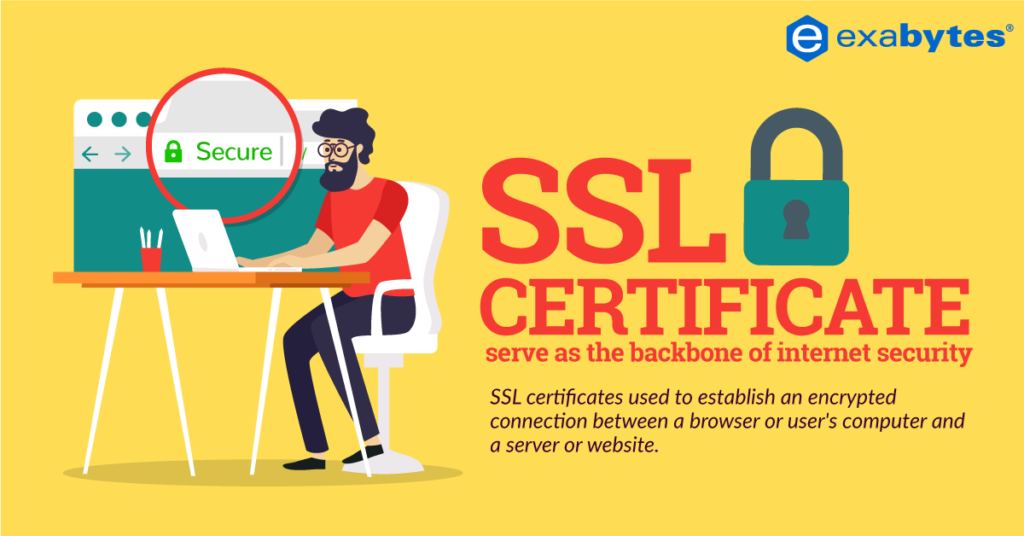
An SSL (Secure Sockets Layer) certificate is a digital credential that authenticates a website’s identity and enables an encrypted connection. It acts as a digital passport. When a browser connects to your server, the certificate proves your identity and creates a secure tunnel for data to travel through.
You can easily spot a secured site. Look at your browser’s address bar. If you see a small padlock icon and the web address begins with “HTTPS” instead of “HTTP,” the site uses an SSL certificate. That extra “S” stands for “Secure.”
Without this encryption, any data traveling between a user and the server remains in plain text. If a hacker intercepts the connection, they can easily read passwords, credit card numbers, and personal messages.
Why an SSL Certificate is Essential
Securing your site goes far beyond basic data protection. It directly impacts your business reputation and your bottom line.
Protecting User Data
The primary role of an SSL certificate for website operations is encryption. When a customer enters their shipping address or payment details, the certificate scrambles that information into an unreadable format. Only the intended server holds the key to decode it. This keeps cybercriminals from stealing sensitive data during transit.
Boosting Search Engine Rankings
Google explicitly prefers secure sites. Search engines want to provide safe browsing experiences for their users. Because of this, they use HTTPS as a ranking signal. If you want to rank higher in search results and drive more organic traffic, installing an SSL certificate is a mandatory first step.
Earning Customer Trust
Trust is the currency of the internet. Modern browsers warn users loudly when a site lacks encryption. A glaring red warning sign makes visitors abandon their shopping carts instantly. Displaying the secure padlock reassures customers that you take their privacy seriously.
How Does an SSL Certificate Work?
The technology might sound complex, but the process happens in milliseconds. It relies on a system called asymmetric cryptography. This system uses two separate keys to secure information: a public key and a private key.
- The Handshake: When a user visits your site, their browser requests your server to identify itself.
- The Verification: Your server sends a copy of its SSL certificate, which includes the public key.
- The Secure Connection: The browser checks the certificate against a list of trusted authorities. If it passes, the browser uses the public key to encrypt a message and sends it back.
- The Session: Your server uses its secret private key to decrypt the message. Both parties agree on a secure channel, and the data exchange begins safely.
Types of SSL Certificates Available
Not all certificates are identical. Depending on your business model, you will need to choose the validation level that fits your needs.
Domain Validation (DV)
This is the fastest and most basic level of validation. The certificate authority simply verifies that you own the domain name. The process takes minutes and usually involves confirming an email or adding a DNS record. DV certificates work perfectly for personal blogs or basic informational sites that do not collect payments.
Organization Validation (OV)
An OV certificate requires a deeper background check. The certificate authority will verify your actual organization, checking public business registries to ensure your company legally exists. This level suits corporate sites or lead-generation pages that collect user information but do not process direct payments.
Extended Validation (EV)
This offers the highest level of security and trust. The validation process is rigorous. The authority verifies your physical address, legal operational status, and phone number. E-commerce stores, financial institutions, and major brands rely on EV certificates to provide maximum reassurance to their customers.
Common Questions and Misconceptions
Many website owners still misunderstand how security credentials work. Let us clear up a few persistent myths.
“I do not sell anything, so I do not need encryption.”
This is completely false. Even if you only run a blog, you likely have a login page for yourself or a contact form for readers. Furthermore, without an SSL certificate, browsers will flag your blog as unsafe, and search engines will penalize your ranking.
“Installing a certificate will make my site slow.”
Modern encryption protocols are incredibly fast. The brief moment it takes to perform the “handshake” is imperceptible to humans. In fact, secure sites can use updated HTTP/2 protocols, which often load faster than older, unencrypted connections.
Secure Your Digital Presence Today
Running an unsecured site is a risk you simply cannot afford. It damages your reputation, hurts your visibility in search results, and leaves yourvisitors vulnerable to data theft. An SSL certificate for website protection is the foundation of digital trust.
Do not let security warnings drive your hard-earned traffic away. Evaluate your website needs, choose the appropriate validation level, and install your security credentials. Secure your website with a premium SSL certificate today and give your visitors the safe, encrypted experience they deserve.